Why Comparison Hurts: Self-Worth and Internalised Ableism
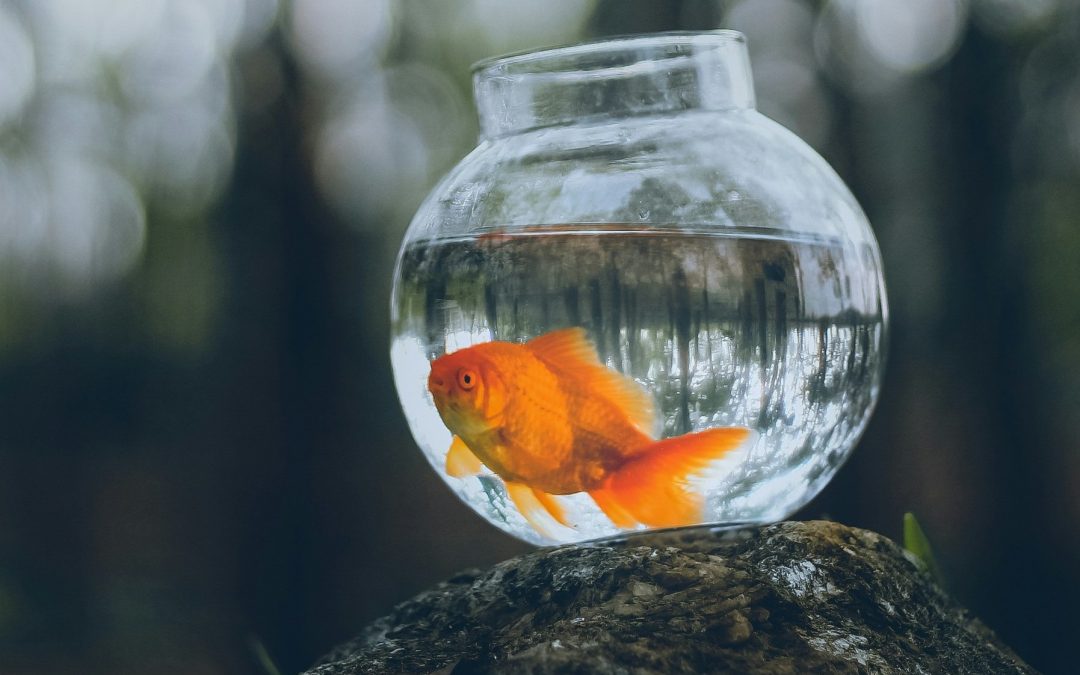
“Everyone is a genius. But if you judge a fish by its ability to climb a tree, it will live its whole life believing that it is stupid.”
I have been known to use this quote in my work. It captures something that I think most of us recognise but rarely consciously acknowledge: the quiet damage of being measured against a standard that was never designed for you.
Comparison is one of those quietly destructive habits that most people carry around without really noticing. It sits in the background of ordinary moments: scrolling through someone’s holiday photos and feeling a ‘squeeze’ of something you can’t quite name or listening to a colleague talk about their promotion and wondering what you’re doing wrong.
The issue isn’t just that we compare. It’s also about what we compare ourselves to.
Most of the time, we’re not measuring ourselves against reality. We’re measuring ourselves against someone else’s ‘best bits’. The version of their life they’ve chosen to share, the moment they’ve curated, the story they’ve edited. Social media has made this almost unavoidable. We scroll through polished, filtered snapshots of other people’s lives and hold them up next to our own most honest, and often vulnerable, unedited versions.
What can make this harder is that we rarely stop to question the comparison itself. We can just accept the feeling it leaves behind: not good enough. Not far enough along. Not coping as well as everyone else seems to.
For neurodivergent people, this can be even more harmful.
If you’ve grown up with ADHD, autism, or both, the chances are you’ve spent years measuring yourself against neurotypical benchmarks. School systems, workplaces, social expectations; so much of how we’re taught to evaluate ourselves is built around a standard that was never designed with neurodivergent people in mind. When the measuring stick doesn’t fit, the conclusion most people reach isn’t “this standard is wrong.” It’s “there’s something wrong with me.”
Over time, that belief can settle in and become part of how you see yourself, quietly shaping your sense of self-worth. This is where internalised ableism can live. It’s the quiet voice that says you should be able to do what everyone else does, the way everyone else does it. It’s the assumption that struggling means failing, rather than meaning that the environment or the expectation wasn’t built for the way your brain works. It’s about accepting the message that ‘I need to try harder’.
This is more common than you might think. The exhaustion of constantly comparing, constantly falling short of a standard that was never yours to meet. And often, the people we compare ourselves to are presenting a version of themselves that isn’t the full picture. We rarely see someone else’s overwhelm, their private struggles, the things they find hard. We see the curated version. And then we compare it to our unfiltered truth.
What might shift if we started noticing when we do this? Not to judge ourselves for it, but to gently question what we’re actually comparing. Is it like with like? Or is it my reality against someone else’s carefully chosen presentation?
For neurodivergent people, there can be something powerful in recognising that the measuring stick itself might be the problem. Not you. Not your brain. Not the way you move through the world. The stick.
And perhaps the kindest thing we can do is put it down.
If this has struck a chord and you would like some help exploring how this affects you, I invite you to get in touch to see how I can support you in building a relationship with yourself that isn’t based on comparison.
Recent Comments